2026-11-19 · Louic
Roof Inspection Checklist After Chinook Winds Hit Cascade County
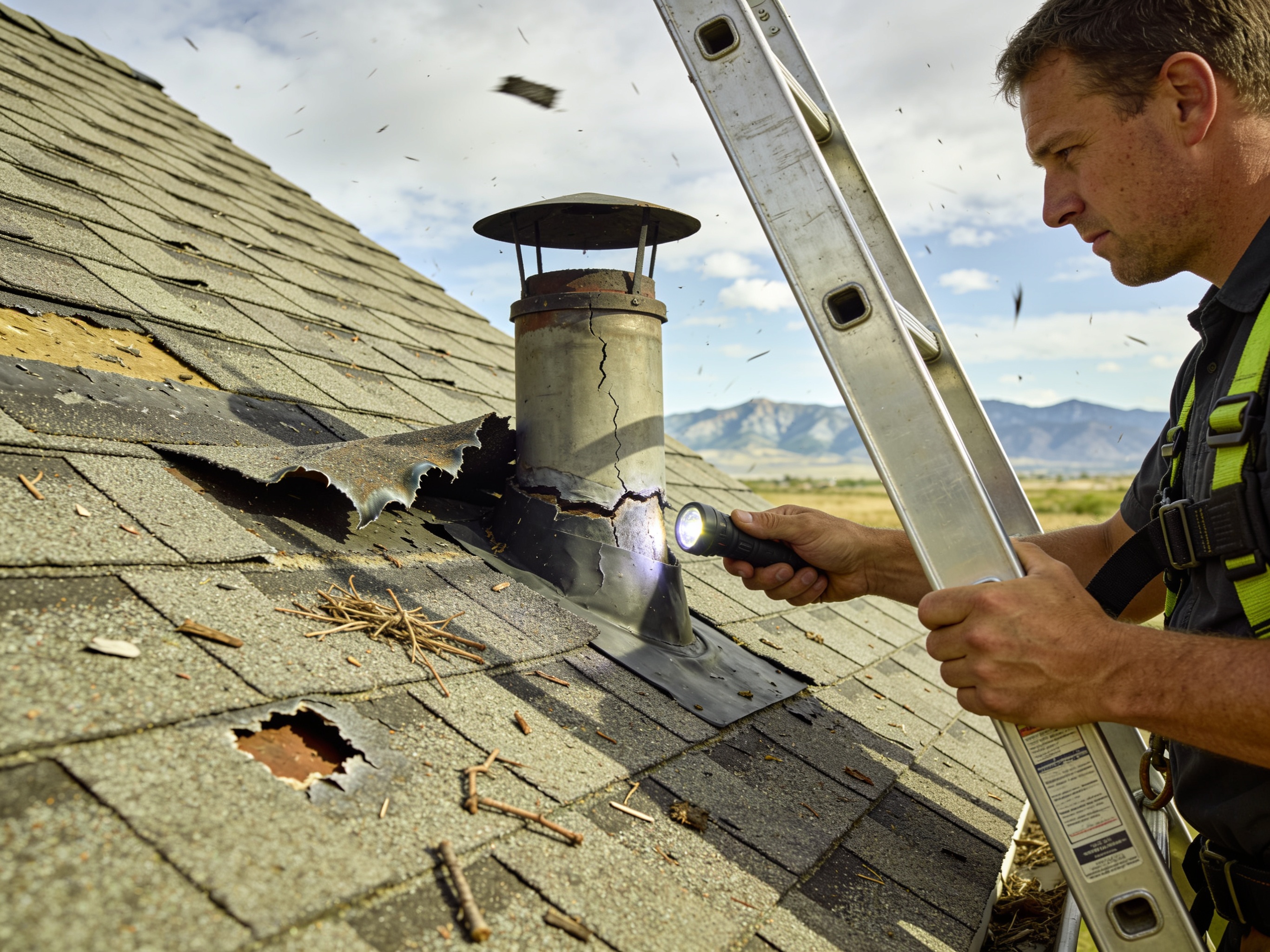
After Chinook winds pass through Cascade County, begin roof checks within 48 hours while daytime temperatures remain above freezing. Focus first on wind-lifted shingles along south-facing slopes and any loosened flashing around chimneys or vents, as these spots fail most often when warm air melts snowpack then refreezes overnight.
Inspect Shingle and Flashing Conditions
Walk the perimeter and use binoculars to scan for curled or missing shingles on older homes common in Downtown Great Falls and Black Eagle. Chinook gusts often catch edges on asphalt shingles installed 15–20 years ago, pulling them free near ridge lines. Pay attention to step flashing where roofs meet walls, especially on single-story ranches that dominate West Great Falls neighborhoods. Lifted pieces allow meltwater to enter underlayment during the next freeze-thaw cycle. Note any granules in gutters, which signal abrasion from wind-driven snow. If more than three shingles per slope show displacement, schedule a full assessment rather than spot repairs. Metal panels on homes near Giant Springs can also shift at seams when rapid warming expands fasteners unevenly.
Check for Ice Dam and Leak Evidence
Examine attic spaces for water stains along ceiling joists after the warm spell ends. Chinook conditions in Cascade County frequently produce dams along eaves when daytime melt runs under shingles then refreezes at night. Look for dark streaks on soffits in Black Eagle homes where insulation gaps allow heat to escape and accelerate melting. Check skylight curbs and plumbing vents for displaced sealant that wind pressure may have cracked. In West Great Falls properties near the Missouri River, higher humidity during thaws can worsen condensation inside attics, mimicking leak patterns. Document any new discoloration with photos dated immediately after the event to track progression before summer dry periods arrive.
Evaluate Gutters, Drainage, and Structural Signs
Clear debris from gutters and downspouts while temperatures stay mild, noting any dents from wind-blown branches common along the river corridor. Sagging sections near 26th Street South properties often indicate hidden ice weight from the recent thaw. Inspect fascia boards for rot where repeated freeze-thaw cycles have penetrated paint. On two-story homes, verify that vent pipes remain plumb, as gusts can torque them enough to tear boots. Compare photos of the roofline before and after the winds to spot new dips that suggest decking movement. Homes between Great Falls and Helena see similar patterns, though Cascade County’s open terrain allows stronger sustained gusts that stress ridge vents more than sheltered Billings roofs.
Decide on Next Steps and Professional Review
If inspection reveals displaced flashing or more than minimal granule loss, contact a local crew for targeted evaluation rather than waiting for summer storms. Reference the factors that affect roofing replacement costs in Great Falls when planning larger work. For wind-specific comparisons, review how metal performs versus asphalt in high-wind areas near Great Falls. Properties showing interior moisture should receive a storm damage roof repair assessment promptly to prevent mold during the dry summer months ahead.