2026-11-19 · Louic
Spotting And Preventing Ice Dams On Roofs In Great Falls
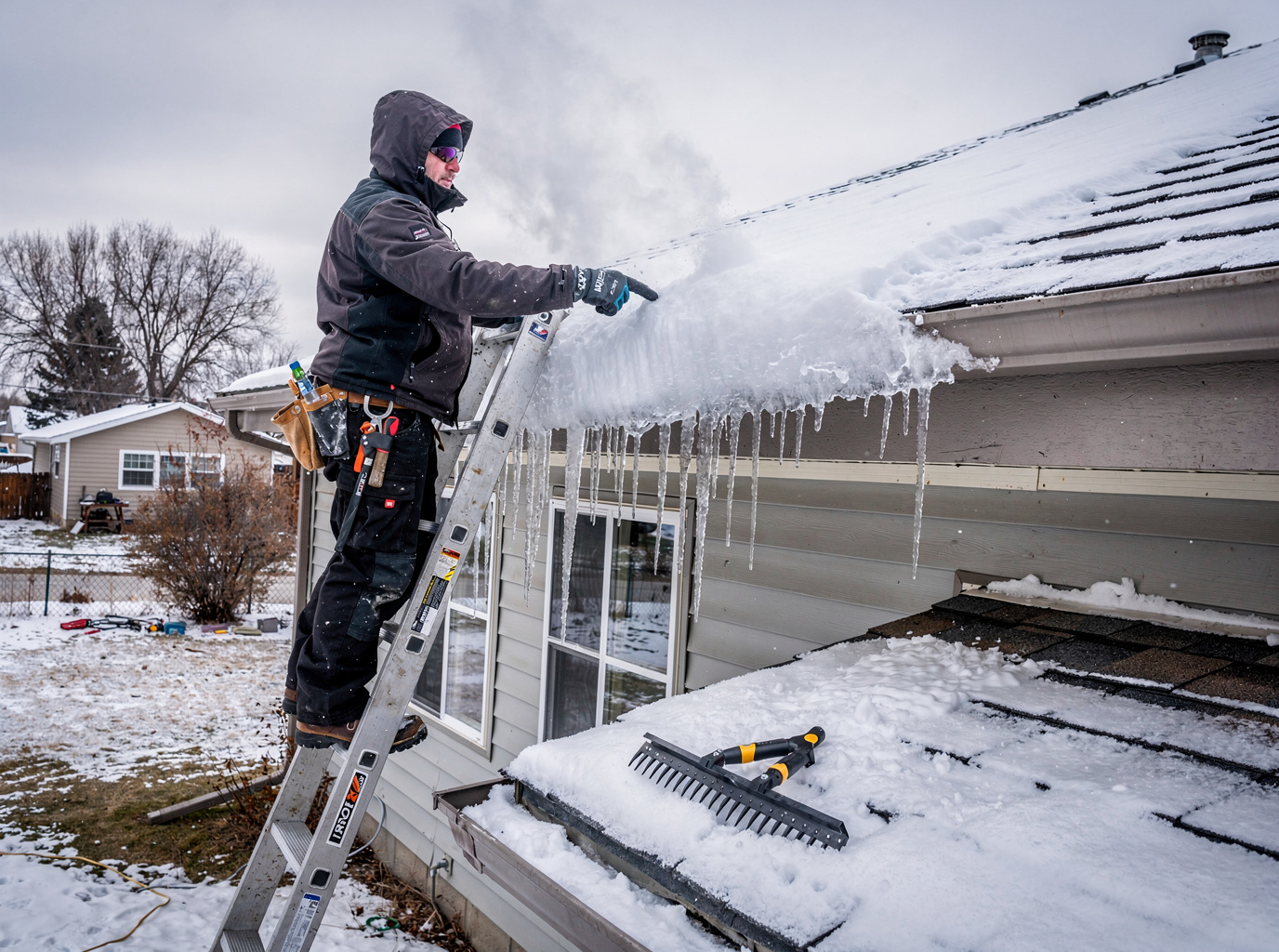
Ice dams appear on Great Falls roofs when heat escaping from the attic melts snow that then refreezes at the eaves, often within the first 48 hours after a heavy snow load in Cascade County. This cycle repeats during the long stretches of sub-freezing temperatures typical here, leading to water backing up under shingles and causing interior leaks. Owners in West Great Falls and areas near Giant Springs see this pattern most on homes built before 1980 with poorer attic insulation.
How Ice Dams Form in Great Falls Winters
Cold winters with temperatures dropping well below freezing combine with warm dry summers that leave roofs dry and then suddenly covered in snow. Heat rises through the roof deck from living spaces, melting the bottom layer of snow while the outer edge stays frozen along the gutter line. Homes in Black Eagle and near the Great Falls of the Missouri experience extra moisture from river humidity that adds to the melt-refreeze cycle. Older housing stock in Downtown Great Falls often lacks modern ventilation, so the temperature difference between the warm roof center and cold eaves grows larger and ice builds faster. This process repeats after each winter storm that drops more than four inches of snow.
Spotting Ice Dams Early on Local Roofs
Walk around the property after each major snowfall and look for ridges of ice along the lower roof edge or icicles longer than 12 inches hanging from gutters. Inside, check ceilings and upper walls in upstairs rooms for dark water stains or peeling paint, especially above windows. In West Great Falls neighborhoods, south-facing slopes show damage first because daytime sun accelerates melting even when overnight lows stay below 20 degrees. Use binoculars from the ground rather than climbing during winter, and note any sagging sections in the roofline that indicate trapped water weight. These signs usually appear within three to five days of the initial snow event.
Prevention Steps for Cascade County Homes
Improve attic insulation to R-49 or higher and add ridge and soffit vents to keep the roof deck temperature closer to outdoor air. Seal gaps around recessed lights, plumbing vents, and chimneys with foam or caulk so warm air stops reaching the underside of the roof sheathing. Install self-adhesive ice and water shield along the first six feet of the roof deck during any roof repair project. Keep gutters clear of debris before the first freeze so meltwater can drain instead of pooling. Homeowners near the C.M. Russell Museum often add electric heat cables along the eaves as a targeted fix when insulation upgrades alone do not stop recurring dams.
When Professional Inspection Becomes Necessary
Schedule a roof inspection once you notice repeated ice ridges or any interior staining, especially after chinook winds have packed snow against the roof. A technician can use an infrared camera to locate hidden warm spots without removing snow. After the spring thaw, review the Spring Roof Walkaround Tips Once Snow Melts In Great Falls for a full checklist of what to examine. If water has already reached the interior, contact a crew familiar with storm damage roof repair before the next freeze cycle begins. Greatfalls Roofing at 321 26th St S operates Mon–Fri 8am–6pm and Sat 9am–2pm to handle these calls promptly.